September 15, 2026
THS. KTS Truong Anh Vuong: Human-centered architecture for high-rise living spaces
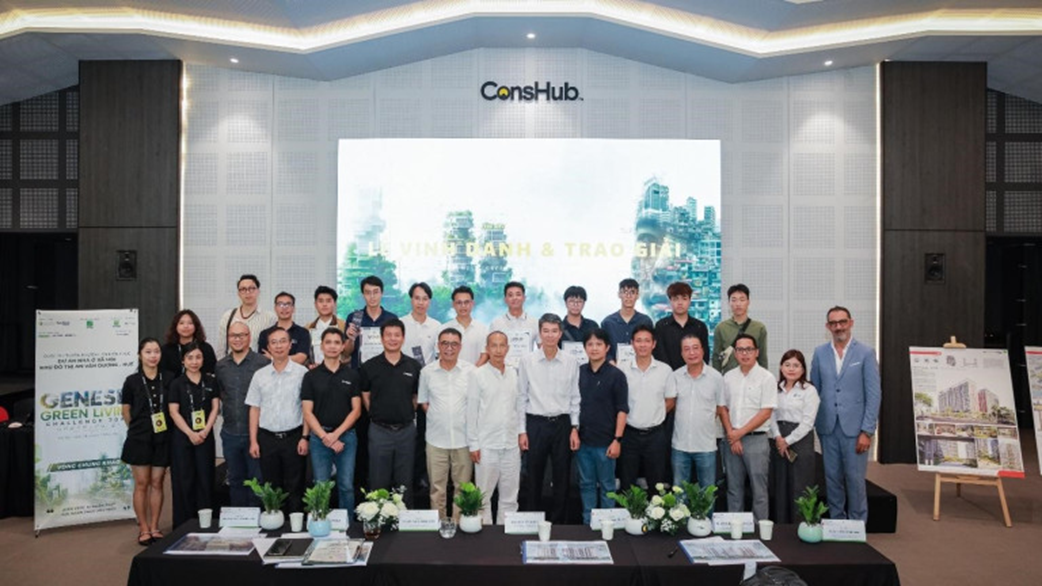
The rapid pace of urbanization always poses major challenges to the allocation of design resources. Much of the architecture industry’s attention is often focused on high-end commercial projects, causing housing for vulnerable communities to receive less investment in spatial quality than it deserves. However, looking back at the outstanding proposals at the Genesis Green Living Challenge 2026, professionals have recognized a highly positive shift in thinking. The current and future generations of architects are proactively placing microclimate, local cultural identity, and social responsibility at the heart of every planning solution.
Social Responsibility and the Microclimate Challenge in Social Housing
In practice, social housing projects are often constrained by cost considerations, leading to repetitive designs and a lack of necessary green spaces. The climate of Central Vietnam, particularly the Thua Thien Hue area, is well known for its harsh conditions, with prolonged periods of intense heat and extreme storms and rainfall. Applying standardized housing designs without architectural-physics considerations directly reduces living quality and increases energy operating costs for low-income residents.
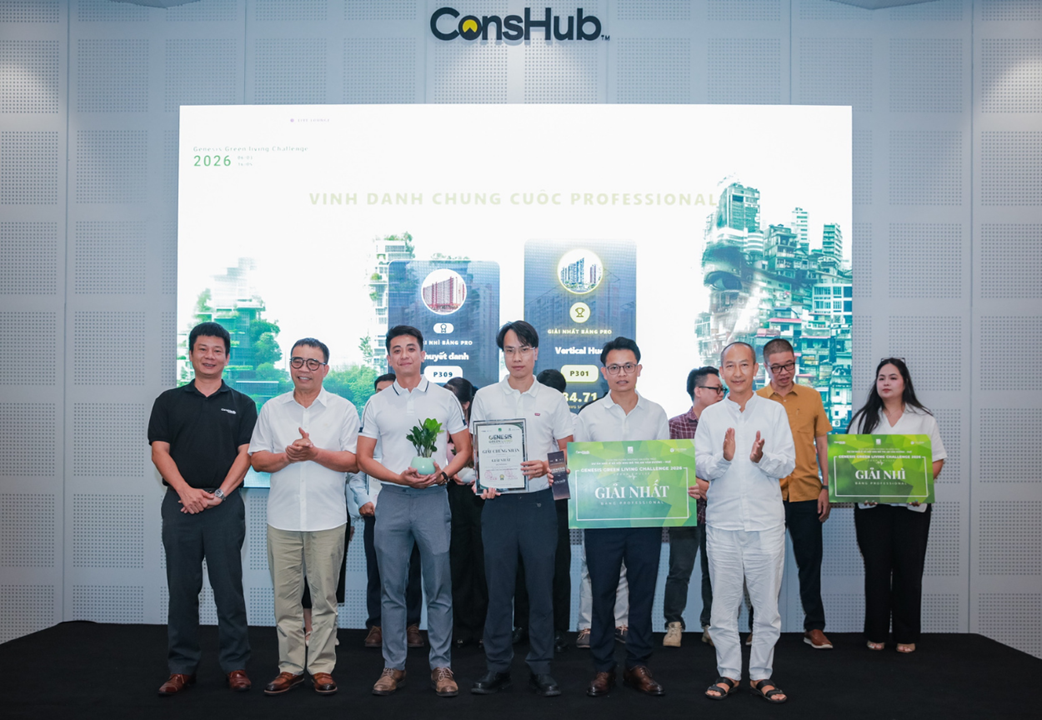
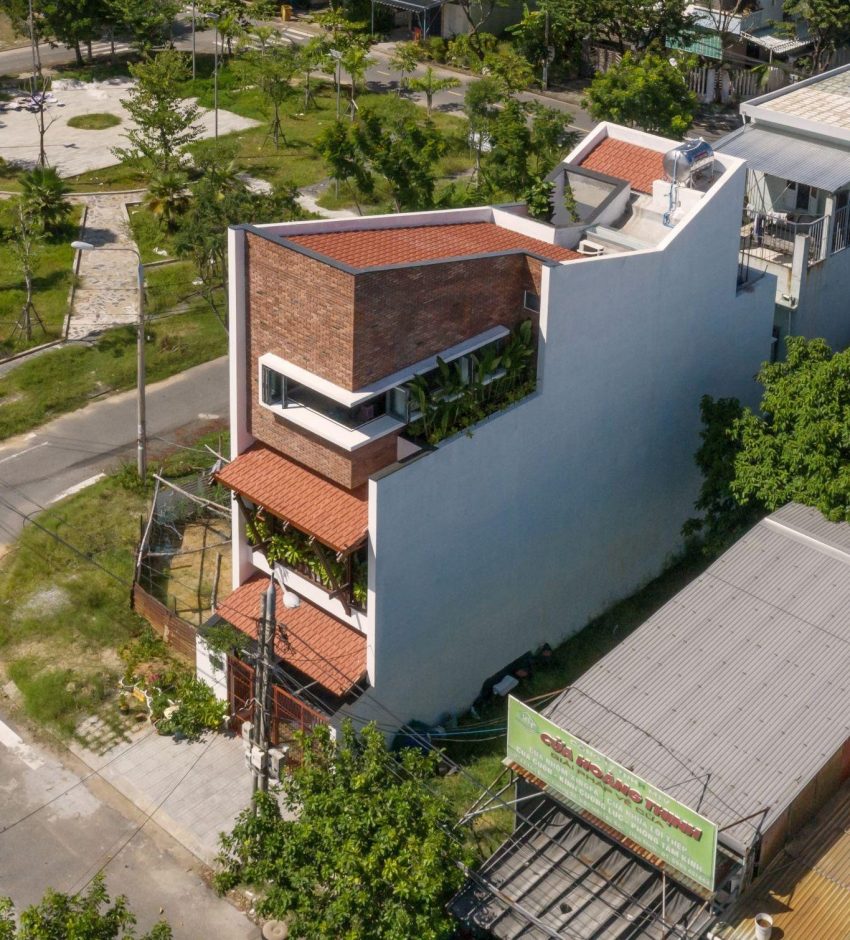
The long-standing cultural beauty of Hue, together with its harsh microclimatic conditions, presents a practical challenge for the teams competing in the Genesis Green Living Challenge 2026 (Source: Thanh Nien Newspaper).
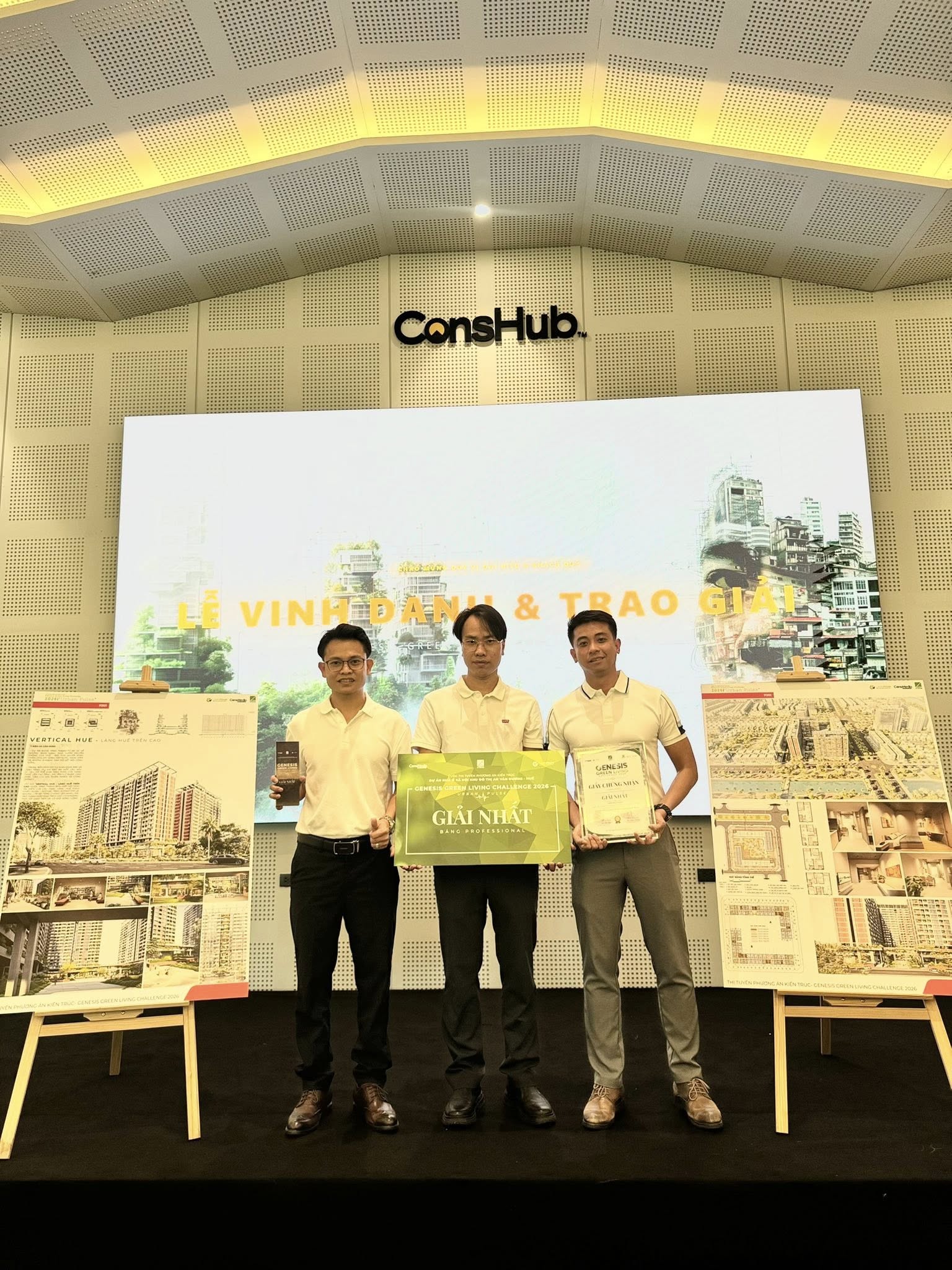
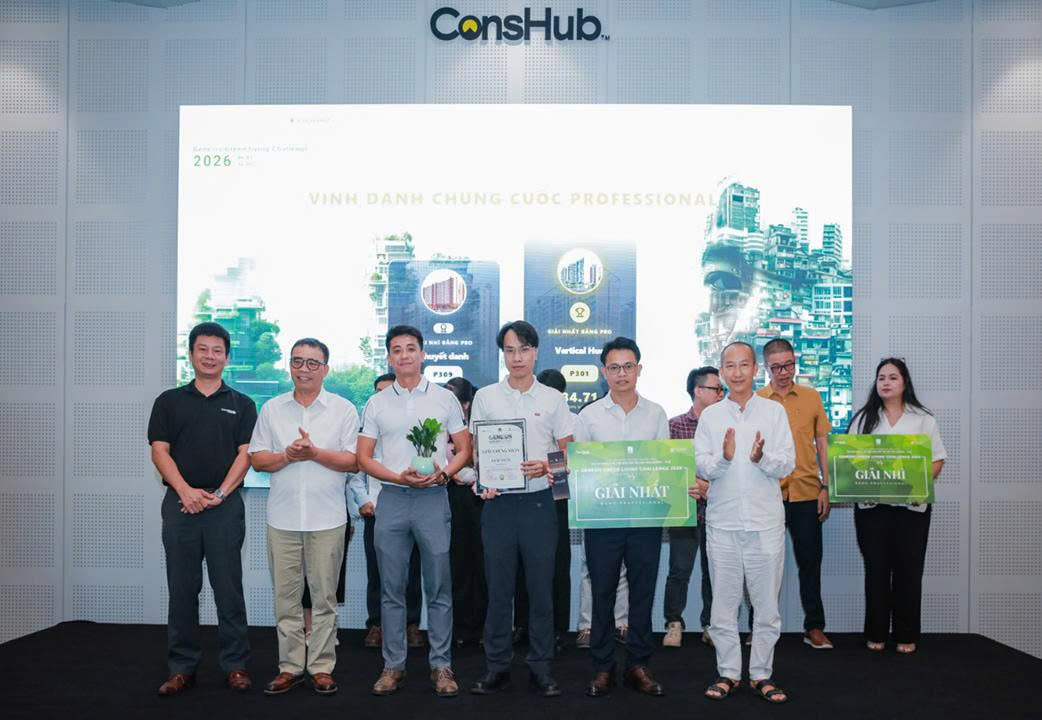
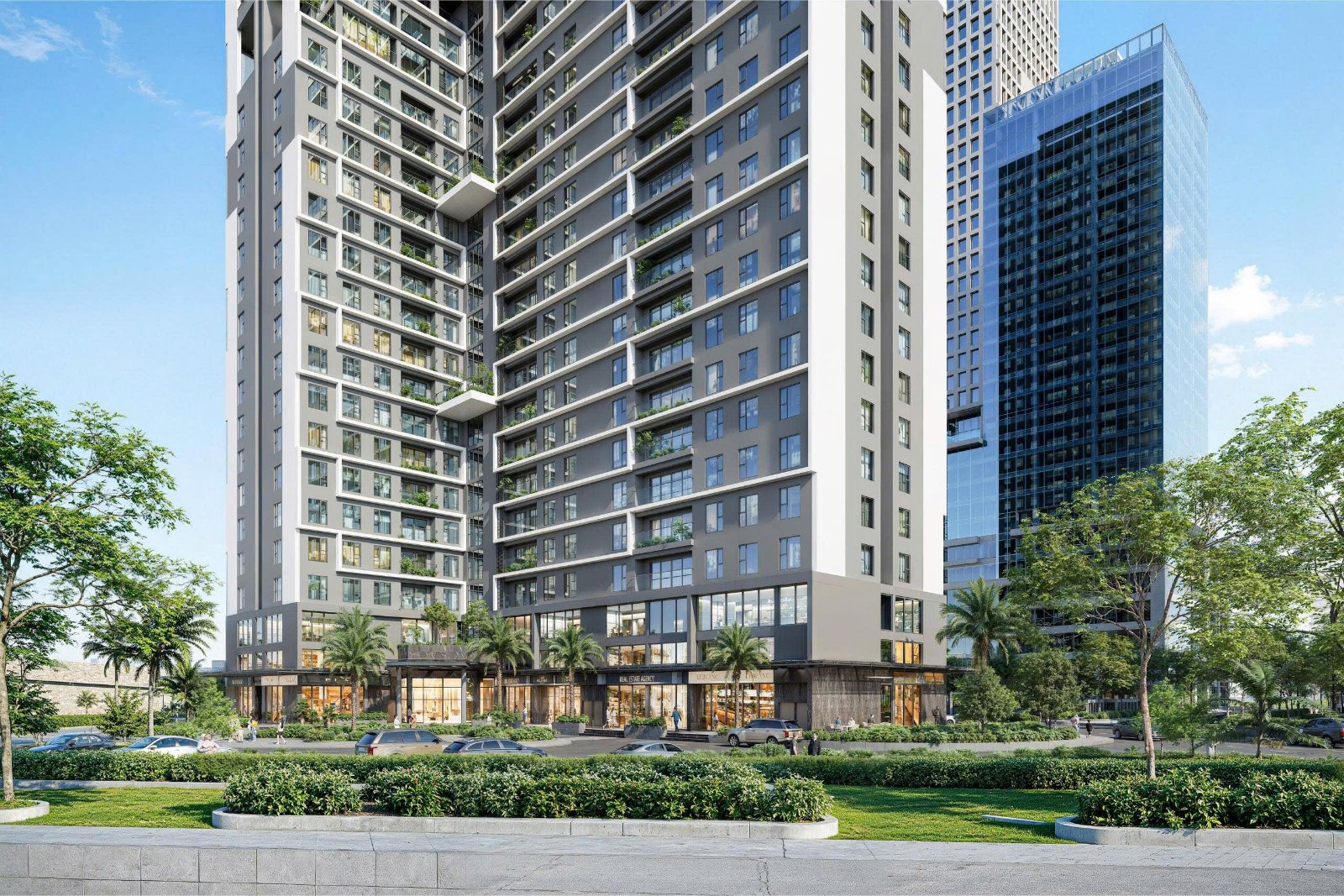
Addressing this contradiction comprehensively, the winning proposal in the Professional category by MVN Architecture & Construction Investment Joint Stock Company offered a deeply humanistic perspective. The team prioritized natural ventilation, solar shading, and the optimization of the internal microclimate to create a safe and comfortable living environment while maintaining energy efficiency.
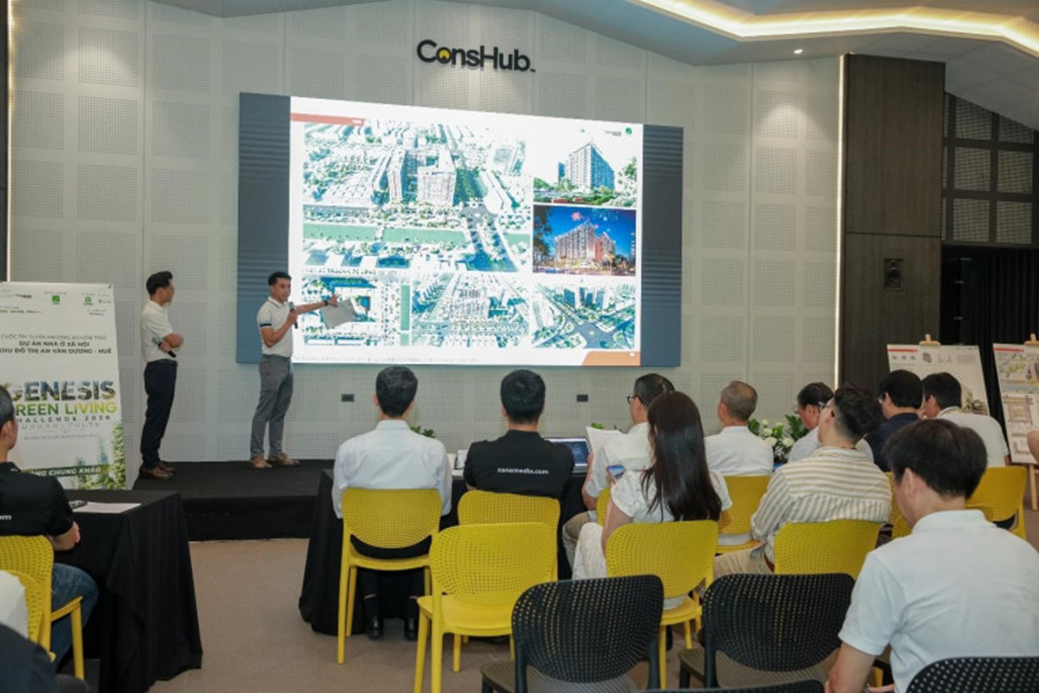
Sharing the design philosophy behind the proposal, a representative of MVN Architecture & Construction Investment Joint Stock Company said: “As someone who was born and raised in Hue, we have always wanted to contribute something to the city. Fortunately, when we participated in the competition, we put our hearts into the project, and at this stage, we have achieved this result. We are very happy and hope that our small contributions will serve as a foundation and stepping stone for the continued formation and development of successful social housing in Hue.”
The dedication of the professionals is clearly reflected in the message the winning team conveyed to the architectural community: “Besides villa projects, luxury residences, or high-end high-rise developments, we should also focus on social housing projects. These are places intended for vulnerable communities, so we should prioritize them and pay particular attention to the microclimate as well as the sustainability of the project.” This sincere statement from the MVN team emphasizes the responsibility of the design profession to provide equitable spatial quality for all levels of society.
Inspiring Local Design Thinking in the Next Generation
The sustainable development of the national architectural profession always requires continuity from the younger generation. The Junior category at the Genesis Green Living Challenge 2026 demonstrated the deep empathy of architecture students toward cultural contexts and everyday community life. Authors Lu Vinh Thanh and Đoan Van Khai from the University of Technology and Engineering, Ho Chi Minh City, excellently secured the Top 1 position with a proposal emphasizing practicality and respect for the local context.
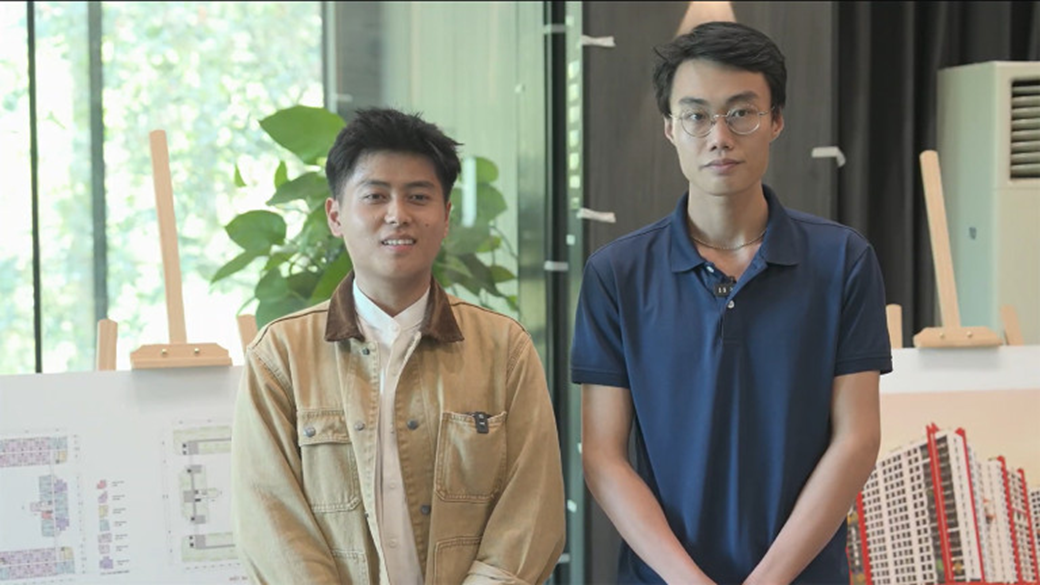
Student Đoan Van Khai shared a lesson learned from the project development process: “One thing I learned was how to create a building not simply to look beautiful, but one that people can actually live in. It cannot simply be placed anywhere; it should carry the local character of that particular place.” The sharp reasoning of a young designer touches upon the fundamental value of architecture. A truly complete project must be rooted in the cultural life, climate, and living habits of local residents, rather than imposing lifeless forms that are disconnected from their surrounding context.
The experience of engaging with a project of national scale provided a substantial amount of practical knowledge. Co-author Lu Vinh Thanh stated: “Personally, through this competition, I gained a great deal of knowledge, from professional expertise to culture, as well as an understanding of the social characteristics of Central Vietnam. The competition also gave me a great deal of enthusiasm to continue pursuing my studies and professional practice.”
Spreading Passion for a Sustainable Architecture
The actual progress of the competition has honestly reflected the professional capabilities and commitment of Vietnam’s architectural community. Addressing design challenges centered around social housing and green living spaces has helped professionals redefine the core values of architectural practice. The convergence of perspectives between experienced experts and energetic young students promises to open a new period of breakthroughs, in which architecture is truly connected to the rhythm of community life.
Looking back on the journey, the professional platform organized by Capital House Group and ConsMedia served as an effective launching pad. Sharing their expectations for future programs, student representatives Lu Vinh Thanh and Đoan Van Khai expressed: “I am personally very happy that the organizers have created platforms for students as well as young architects under the age of 30 to gain practical experience with large-scale projects... For students, you should also participate in these platforms, as they will help you gain more enthusiasm and keep the passion alive throughout your journey of learning and practicing architecture.”
The synergy between humanistic values, an understanding of local culture, and microclimate solutions will continue to serve as a guiding principle for the design community. Future planning projects, particularly in the social housing sector, will undoubtedly benefit from these innovative approaches, creating high-quality and humane living environments for everyone.